Happy World Food Day. Let’s celebrate the 301,000 Australians behind our food and groceries.
15 October 2026
This World Food Day, the Australian Food and Grocery Council (AFGC) is thanking the 301,000 people who turn world-class Australian ingredients into the food, beverages and grocery products found in homes across the country and on shelves around the world.
Food and grocery manufacturing is Australia’s largest manufacturing sector. It turns over $182.6 billion a year and invested $4.5 billion in 2024-25. More than 30% of its jobs are outside the cities, and in many towns the local factory is the largest employer.
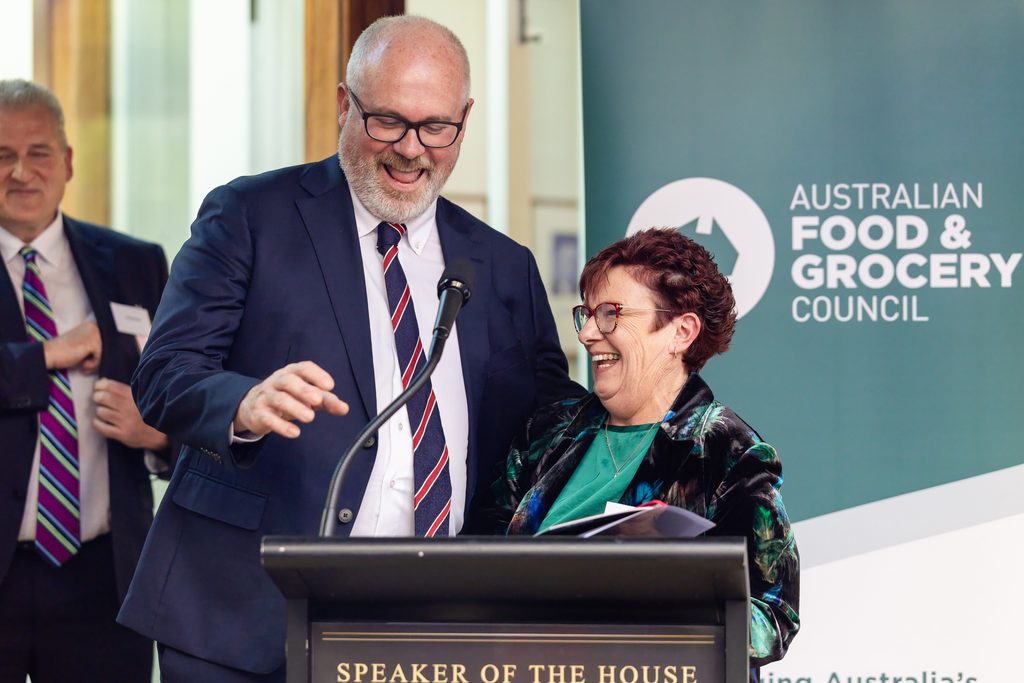
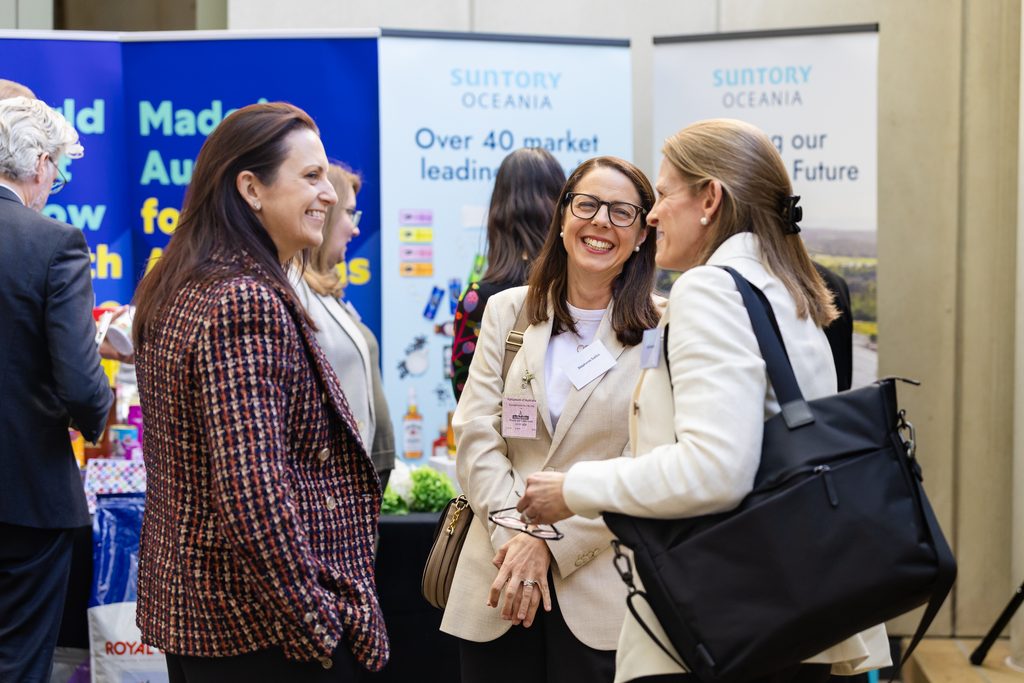
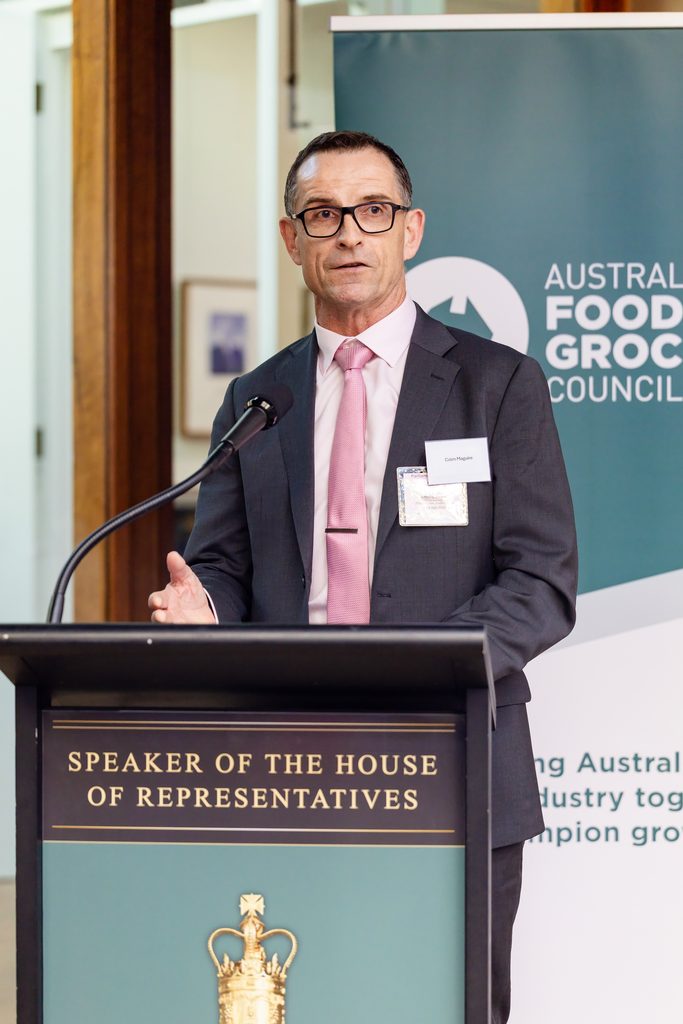
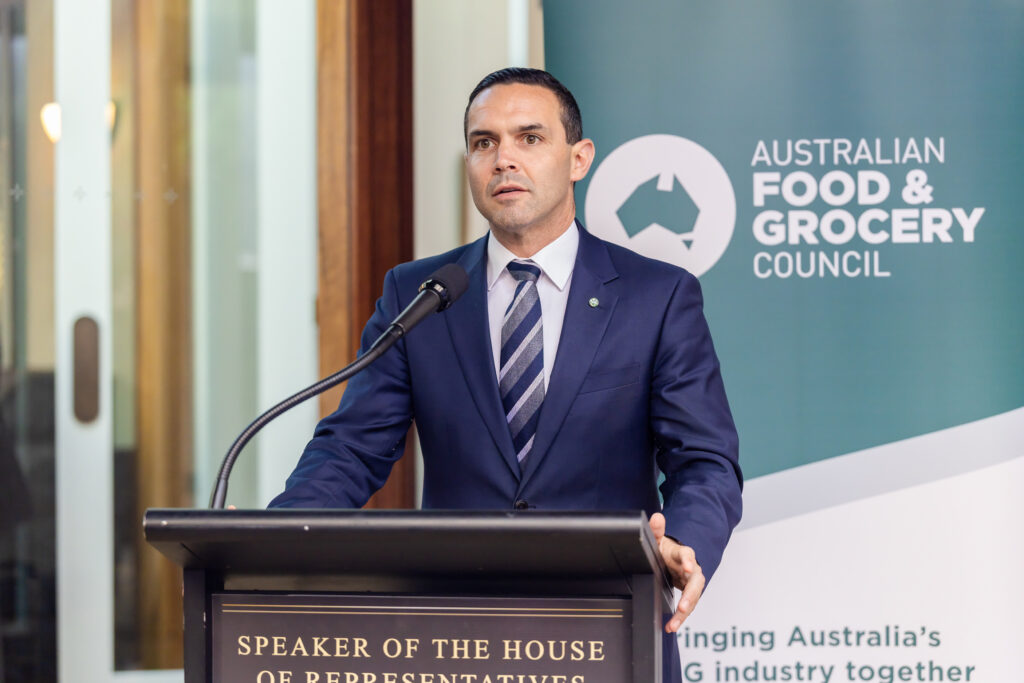
This week, AFGC took the case for backing the sector directly to Parliament.
AFGC Chief Executive Colm Maguire said Australia gains when it makes its food and groceries here.
“World Food Day is a good day to remember that Australian food is made by Australians, in factories across our cities and regional towns. When we invest in those factories, Australia gains jobs, local production and food security,” Mr Maguire said.
“This sector is essential, and we are immensely proud of what our members do every day.”
Aaron Violi, Federal Member for Casey and Co-Chair of the Parliamentary Friends of Food Manufacturing, said:
“Australia plays a vital role as a global food bowl, providing high-quality food and produce across the world. On World Food Day, we acknowledge the contribution of our farmers and growers in feeding the nation and the world and celebrate the importance of Australian agriculture and food production.”
Anne Urquhart, Federal Member for Braddon and Co-Chair of the Parliamentary Friends of Food Manufacturing, said:
“I started my working life in a food processing factory in Ulverstone, so I know firsthand what manufacturing jobs mean to workers, families and regional communities. Food manufacturing remains a major part of communities like mine, and it is worth backing the people and businesses that make food here in Australia.”
A strong local sector means regional communities keep their jobs, shelves stay stocked when global supply chains are disrupted and a modern, efficient industry helps keep grocery prices in check.
Manufacturers are ready to invest, but rising costs make it harder. Since 2019, manufacturers have faced higher costs across energy, fuel, ingredients, packaging and transport.
Smarter regulation and investment settings that would reward domestic growth would also help. Federal regulatory compliance costs the Australian economy around $160 billion every year, according to AICD and Mandala, and cutting duplication and unnecessary complexity would free businesses to invest in people, infrastructure, technology and growth.
The industry stands ready to collaborate with government back this key sector.
AFGC thanks the 301,000 people who help keep Australia supplied every day.