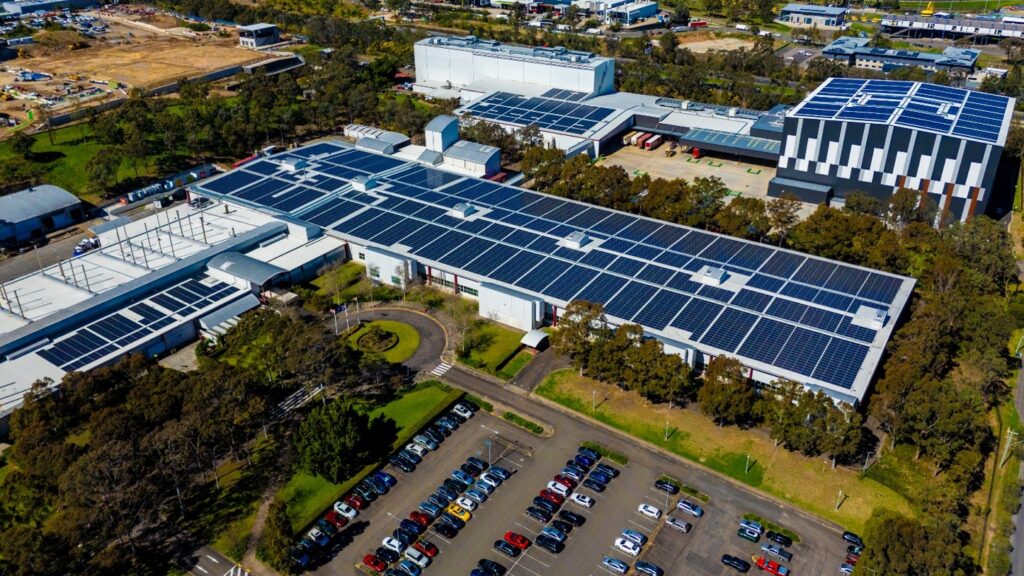
The factory that makes more than a quarter of Arnott’s Australian biscuits is on track to run on 100% renewable electricity by 2029.
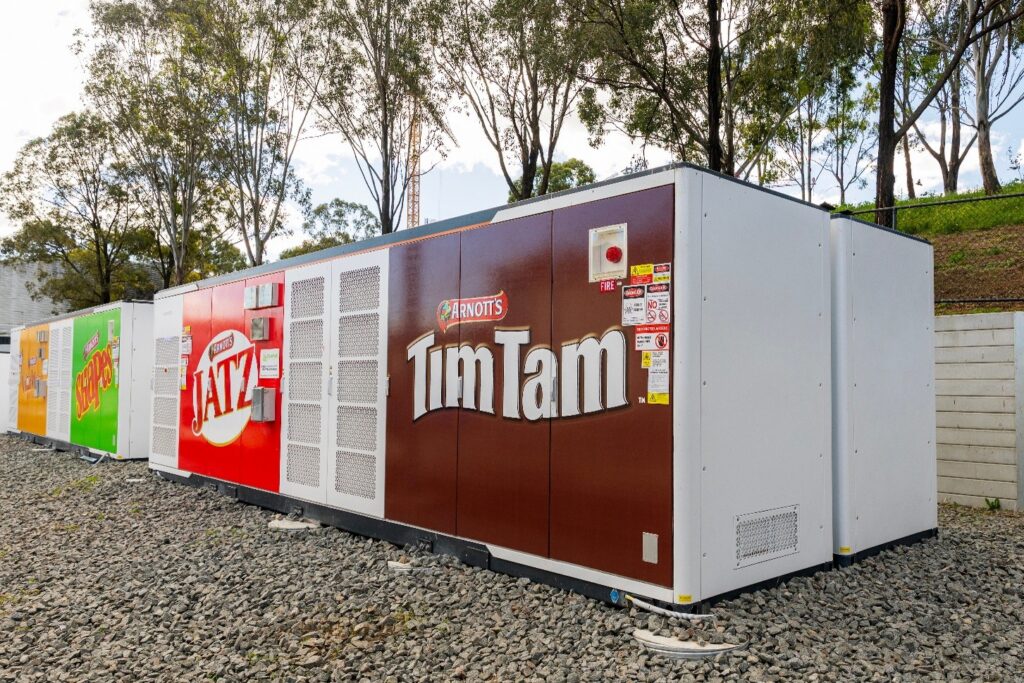
A $10+ million solar and battery project installed at Arnott’s Huntingwood biscuit factory in NSW is helping to make that happen.
The milestone follows a partnership with renewable energy company CleanPeak Energy which was in signed in 2022. The project includes one of Australia’s largest commercial battery storage systems and a rooftop solar installation of 9,000 panels.
By the numbers
- $10+ million invested
- 9,000 solar panels installed
- 6-7 GWh of renewable electricity generated each year
- Around 19% of the site’s electricity needs supplied on site
- More than 500 people employed at the factory
- About 60 million kilograms of biscuits produced each year – enough to fill around 65 Olympic-sized swimming pools
Image courtesy of Arnott’s
The Huntingwood site produces more than a quarter of Arnott’s biscuits made in Australia, including Tim Tams, Shapes and Jatz. Arnotts operates four other factories in Australia and one in New Zealand.
Additional renewable electricity will be supplied by CleanPeak solar farms as the project expands over the coming years.
“Making great biscuits starts with smart manufacturing. This investment helps us cut emissions, manage energy costs and keep making the products Australians love,” said Arnott’s Chief Procurement Officer Tom Vicars.
Image courtesy of Arnott’s
The bigger picture
In FY25, 14% of Arnott’s electricity use across Australia and New Zealand came from solar generation and power purchase agreements.
The company plans to continue expanding renewable energy generation, improving energy efficiency, reducing waste-related emissions and increasing the use of hybrid vehicles. The investment reflects a broader challenge facing Australia’s food and grocery manufacturing sector. The industry accounts for almost one-third of Australian manufacturing output and is expected to require significant new energy infrastructure as it grows
See more in the AFGC Energy and Investment report (PDF 1.5MB) →