Inside Mars Petcare’s $112 million vote of confidence in regional Australia
Inside Mars Petcare’s $112 million vote of confidence in regional Australia
When Demi Shale, Pouch Team Leader at Mars Petcare, tells friends she works in manufacturing, they’re often surprised.
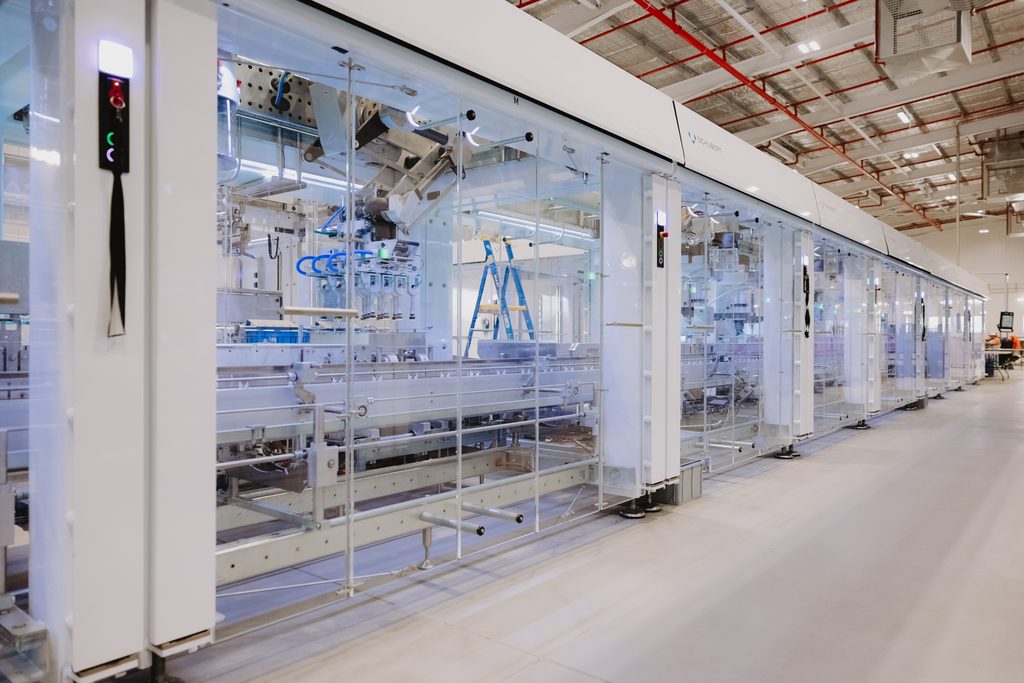
“The first time I saw the autonomous robots moving through the facility, I thought it was pretty amazing,” says Demi.
“It definitely wasn’t what I expected manufacturing to look like. The level of technology, automation and innovation here really opened my eyes to what manufacturing can look like today.”
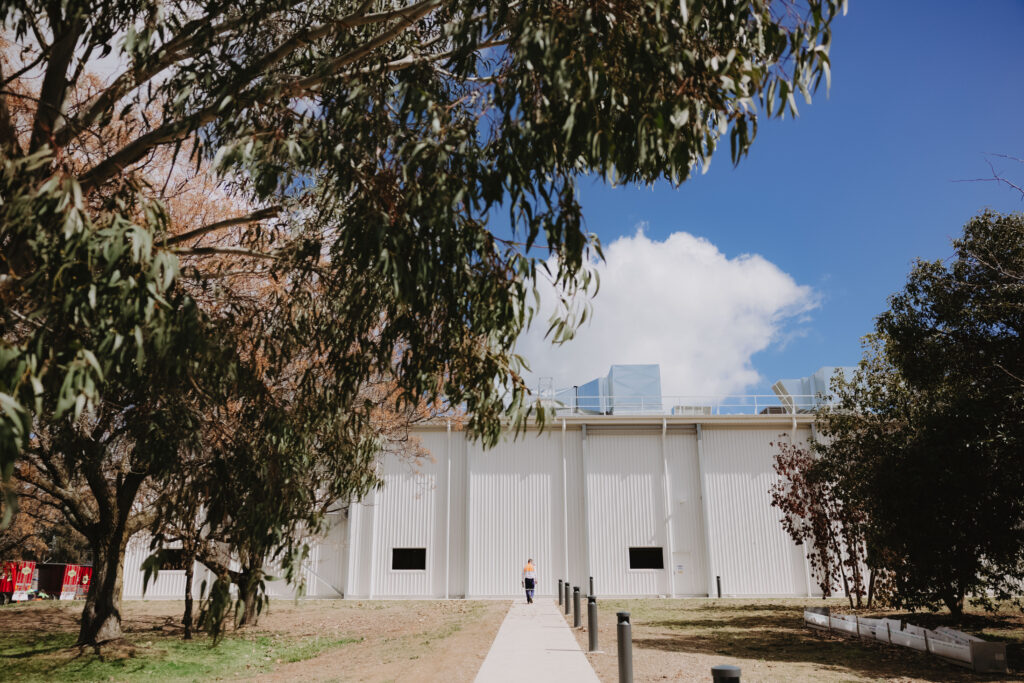
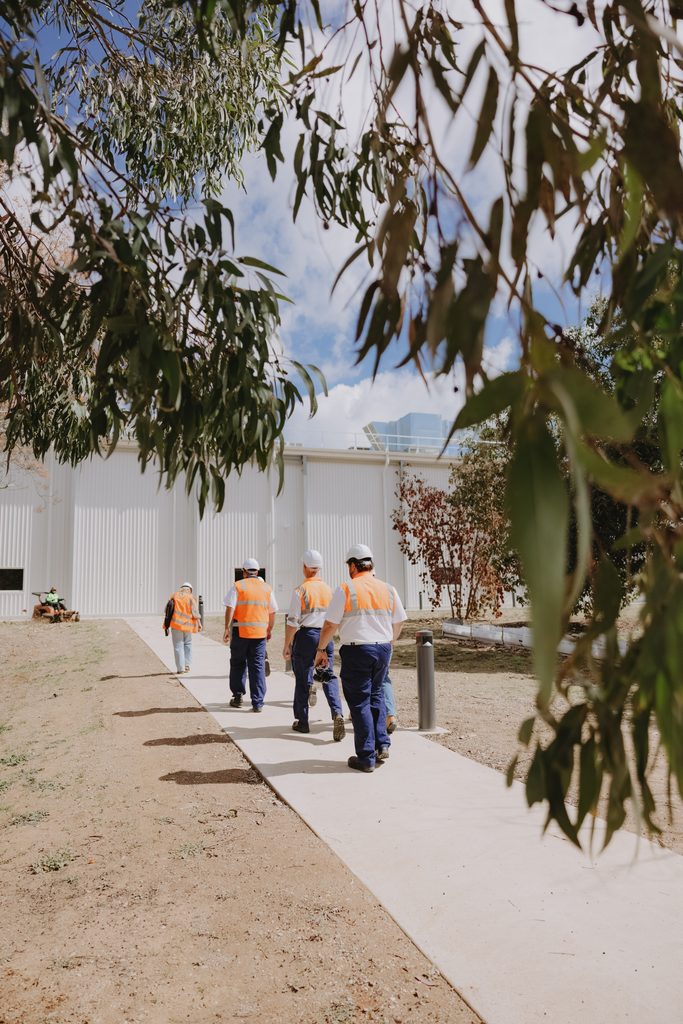
Mars Petcare’s Wodonga facility in regional Victoria has made pet food for almost 60 years, supporting local jobs, suppliers and businesses across north-east Victoria.
Mars invested $112.6 million in the facility in 2026, one of the largest investments in Australian pet food manufacturing in recent years. It added 67 direct jobs and more than 100 indirect jobs across the region. This brings the site’s workforce to nearly 500 people.
Mars Petcare in Wodonga, by the numbers
290 million cat food pouches produced annually in the new Pouch facility
Nearly 60 years manufacturing in Wodonga, with more than 500 Associates employed locally
$112.6 million invested in the new facility
Mars Petcare’s Supply Director Caroline Aspridis said the investment reflects the company’s long-term commitment to Australian manufacturing and regional communities.
“Wodonga has been a cornerstone of our Australian manufacturing network for almost 60 years. This investment is about backing the future of regional manufacturing, creating skilled jobs and ensuring we continue to deliver world-class products from the region.
While advanced technology is transforming how we manufacture, the technology alone doesn’t drive our success. It’s our Associates who make the difference. Their expertise, curiosity and willingness to learn are what make facilities like Wodonga so successful.”
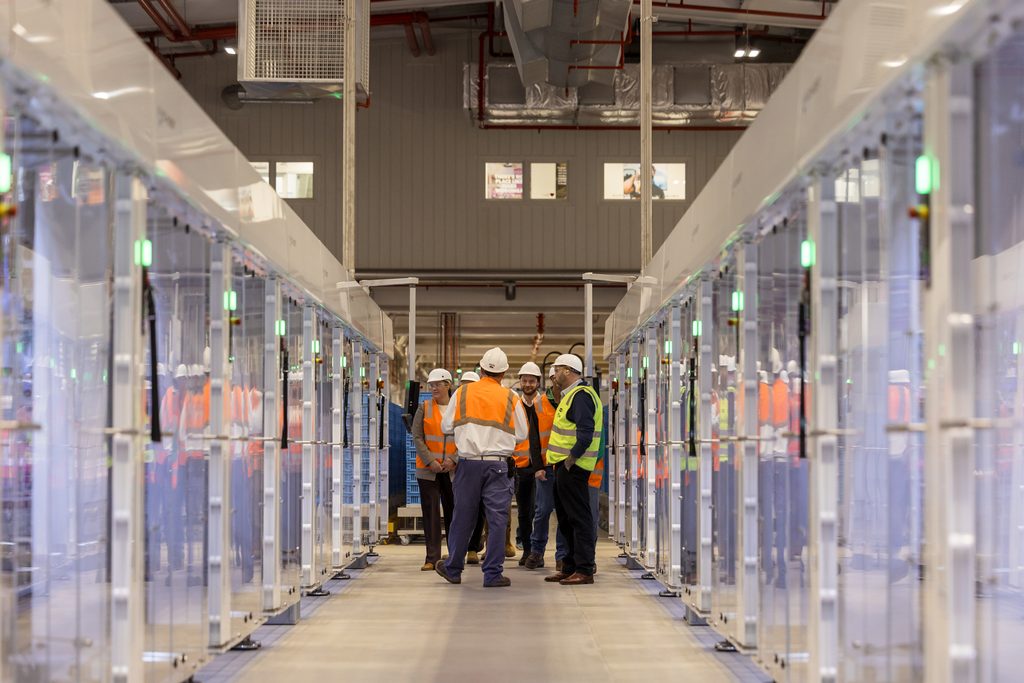
The new facility is equipped with advanced technology including autonomous mobile robots (AMRs), automated packaging systems and a next-generation cooker. It will produce up to 290 million pouches of wet cat food each year for brands including WHISKAS®, DINE®, OPTIMUM™ and ADVANCE™.
Image: Chloe Smith Photography
The investment in Wodonga is a vote of confidence in Australian manufacturing.
Food and grocery manufacturing is Australia’s largest manufacturing sector, supporting more than 301,000 jobs, about a third of them in regional and rural communities.
When companies like Mars invest in local manufacturing, the benefits extend beyond the factory gate to suppliers, local businesses and Australia’s food and grocery security. Around 90 per cent of Mars products sold in Australia are made domestically.
Image: Chloe Smith Photography
Mars is also future-proofing its Wodonga facility through a renewable energy project that will help power manufacturing operations. The initiative aims to create Australia’s first large-scale renewable thermal energy solution for steam-based food manufacturing.
According to Oxford Economics research commissioned by the AFGC, energy costs are expected to account for a growing share of manufacturing input costs over the coming decade. Investments in renewable energy can help manufacturers manage costs while improving energy reliability.
For the people who work at Mars Petcare in Wodonga, the investment creates opportunities to build new skills and work with advanced manufacturing systems.
That’s what excites Demi most about coming to work each day.
“The technology is what first grabs your attention, but what stands out to me is the opportunity to keep learning and growing. Every day you’re working with new systems, building new skills and contributing to products made right here in Australia.
It’s exciting to be part of a business that’s investing in manufacturing and its people. The technology is impressive, but it’s the people behind it who make it all work.”